Things to Do in Gibraltar
A famous Rock, Europe’s only wild monkeys, a town you can walk end to end, and Africa on the horizon — here’s how to make the most of a few days in Gibraltar, from someone who lives here.
The Rock & the Upper Rock Nature Reserve
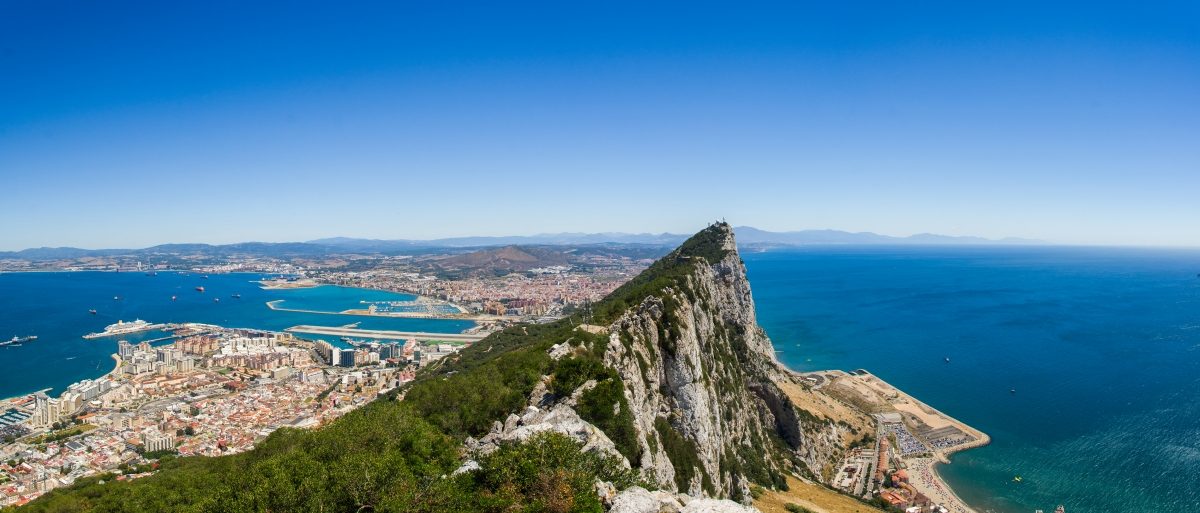
The Rock is the headline act — a 426-metre limestone monolith you can see from almost everywhere. Most of it is the Upper Rock Nature Reserve, and a single ticket covers the big sights: the apes, St Michael’s Cave, the Great Siege Tunnels, the Moorish Castle, the Skywalk and the Windsor Bridge. Ride the cable car up for sweeping views over two continents and three countries, then walk back down through the reserve.
Meet the Barbary macaques
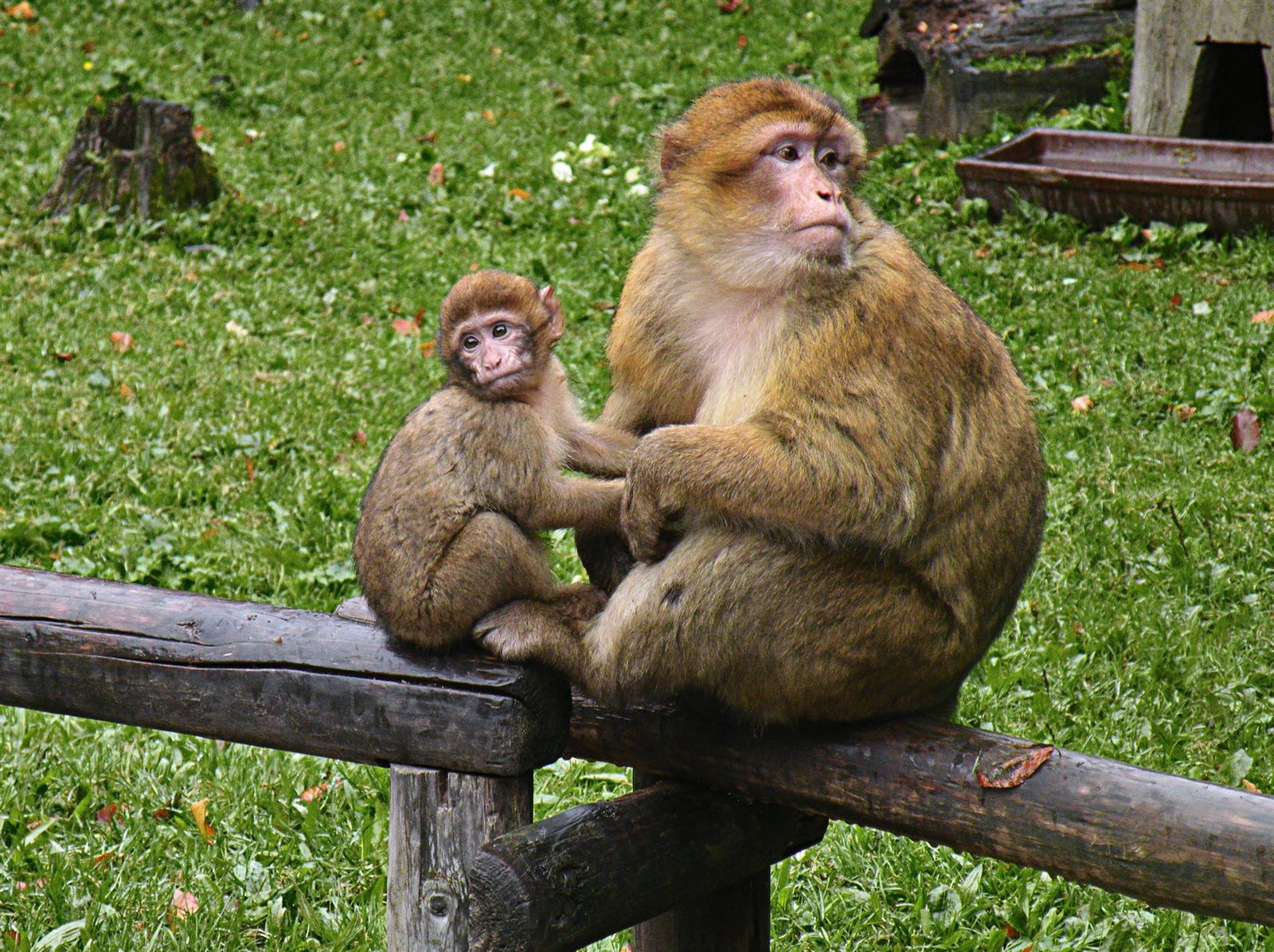
Gibraltar is the only place in Europe with wild monkeys. The Barbary macaques live on the Upper Rock and are completely used to visitors — charming, cheeky and quick. Don’t feed them, and keep food and bags zipped away; they will happily help themselves.
The cable car & the top of the Rock
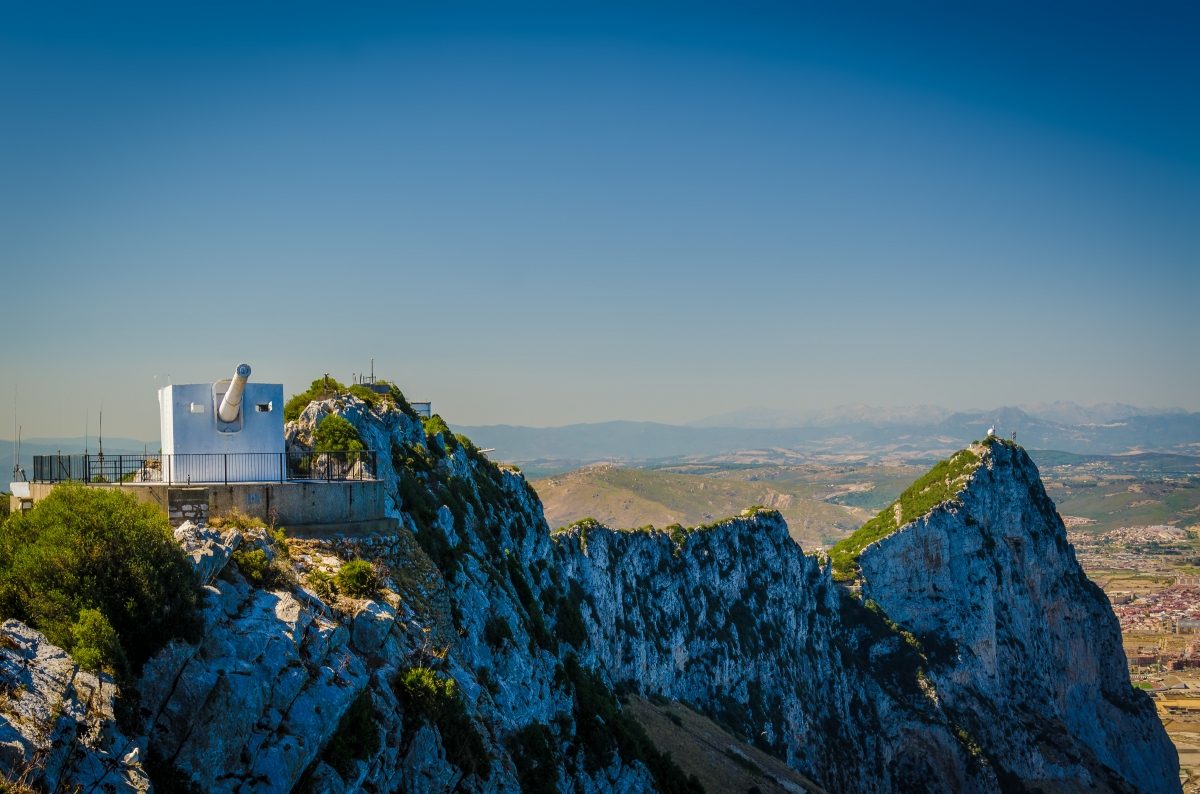
The cable car climbs from the town centre to the top of the Rock in about six minutes, where the viewing terraces look out over the bay, the Strait and across to Africa. From the Top Station you can walk the ridge to the apes, the Skywalk and O’Hara’s Battery, or take the Mediterranean Steps — a steep, spectacular scramble down the Rock’s wild eastern face, best tackled top-down.
The Skywalk
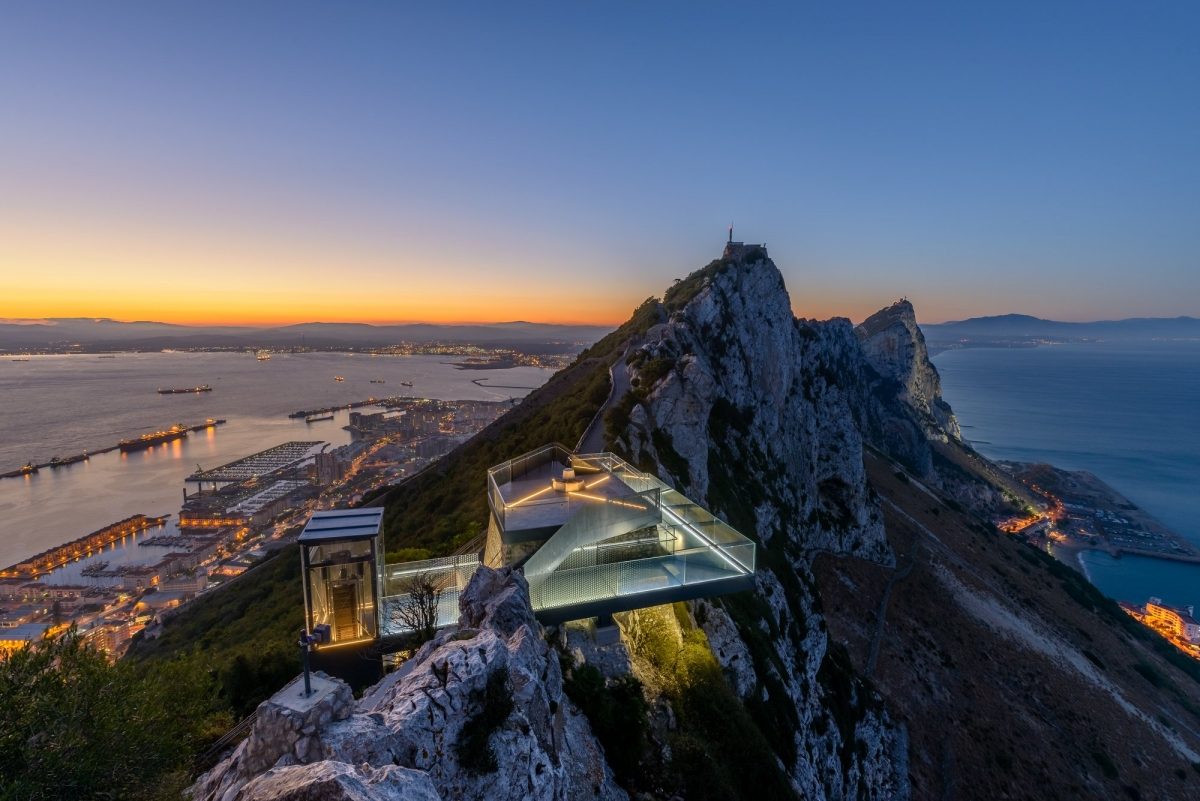
Perched about 340 metres above the sea, the Skywalk is a glass platform that juts straight out over the cliffs — step onto it and the Rock seems to fall away beneath your feet. On a clear day the view runs across the bay to Spain and over the Strait to Morocco. It’s a short walk from the Top Station and included in the Nature Reserve ticket.
The Windsor Suspension Bridge
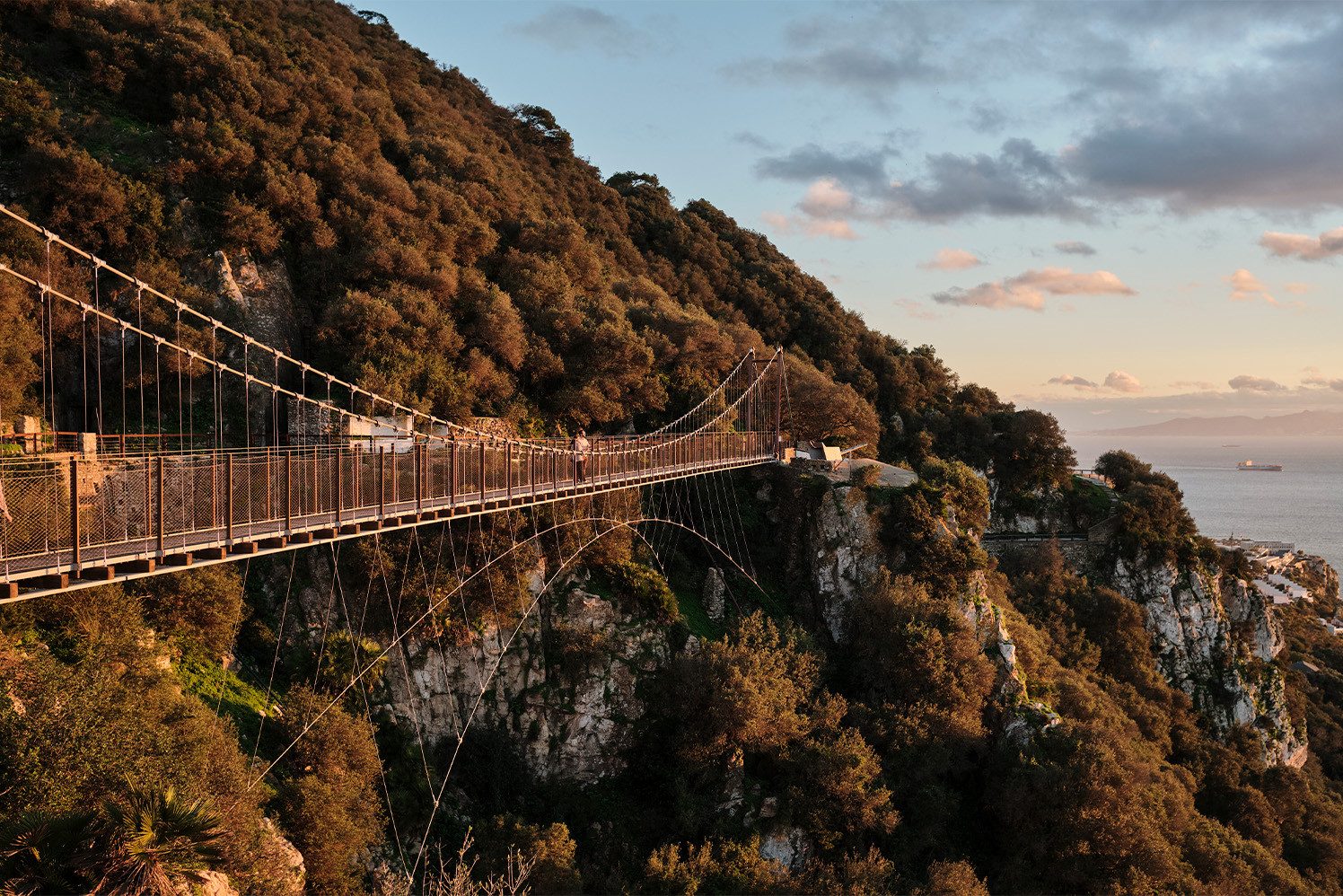
Strung high on the Rock, the Windsor Suspension Bridge is a 71-metre rope-and-steel crossing that sways gently over a deep gorge, with nothing but treetops and sea below. It’s a short, thrilling detour between the Skywalk and the apes, and another of the sights covered by the Nature Reserve ticket.
St Michael’s Cave
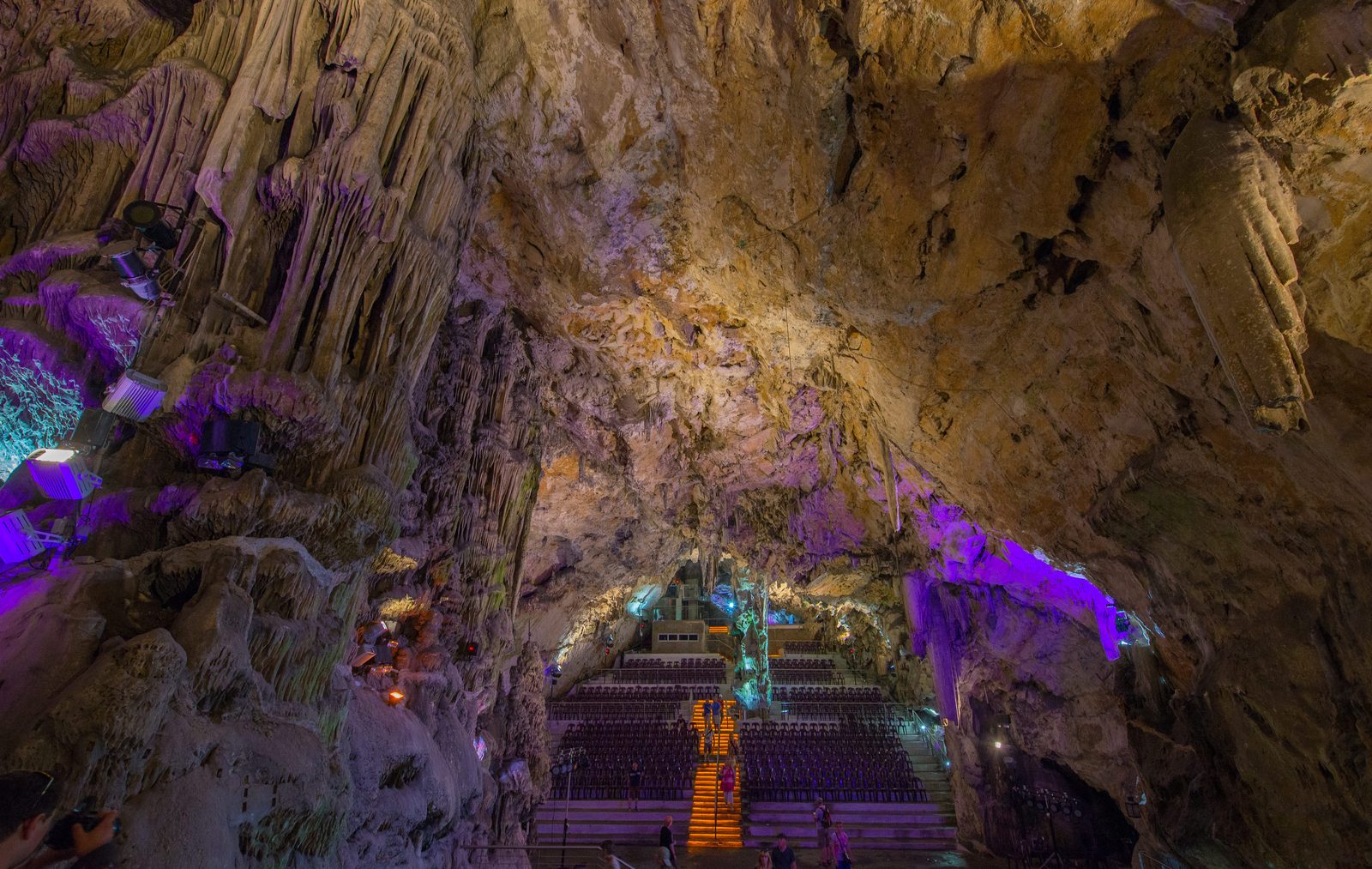
A vast natural cavern of stalactites and stalagmites deep inside the Rock, lit by a shifting sound-and-light show and still used today as a concert and events hall. It’s the most atmospheric stop on the Upper Rock and an easy add-on to the cable car trip.
The Great Siege Tunnels
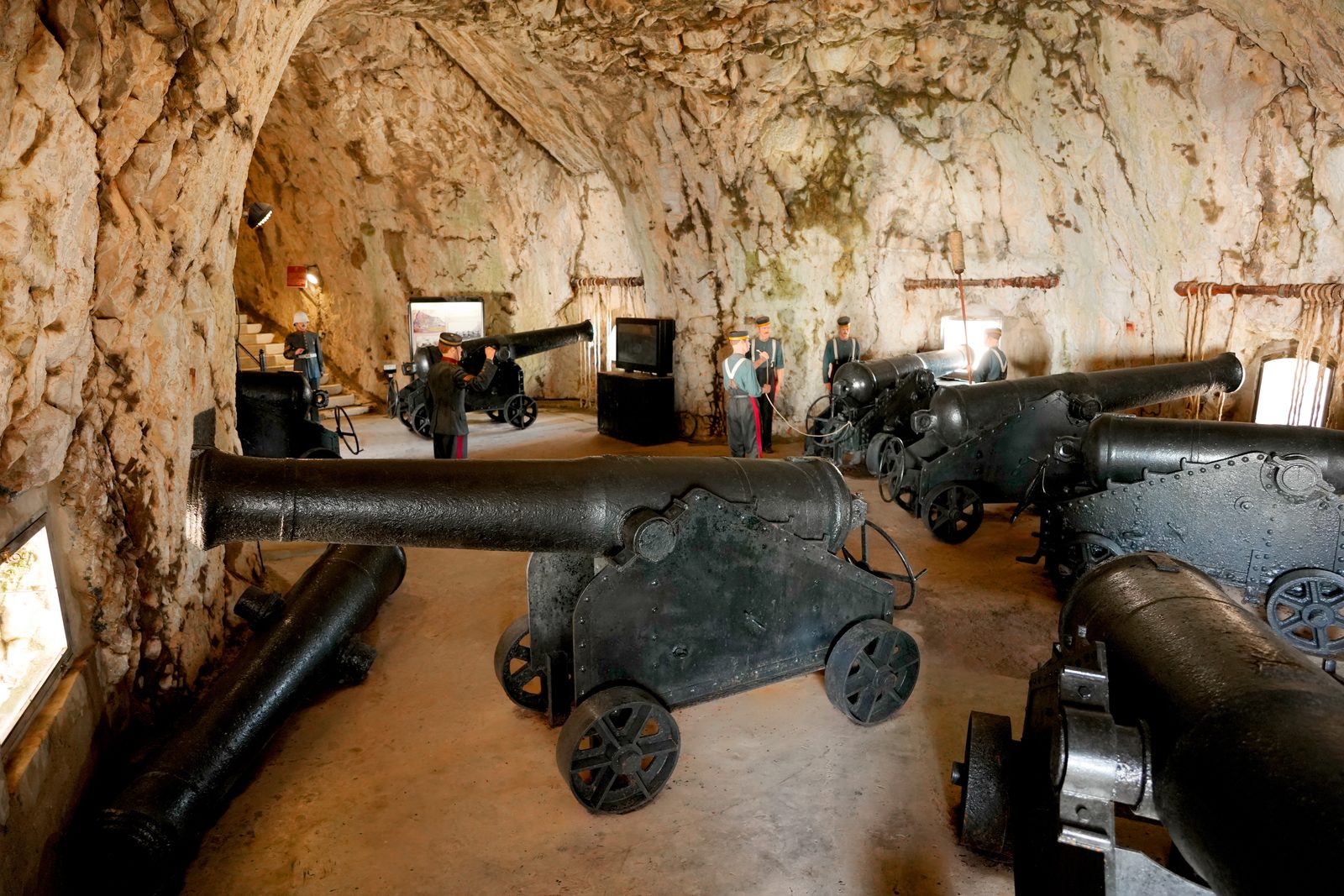
A feat of military engineering hand-cut into the Rock during the Great Siege of 1779–1783, when Gibraltar held out against a combined French and Spanish blockade. The galleries and gun positions carved through solid limestone are among the most impressive defensive works anywhere, and they connect to the later WWII tunnels that honeycomb the Rock.
Europa Point — where Europe ends
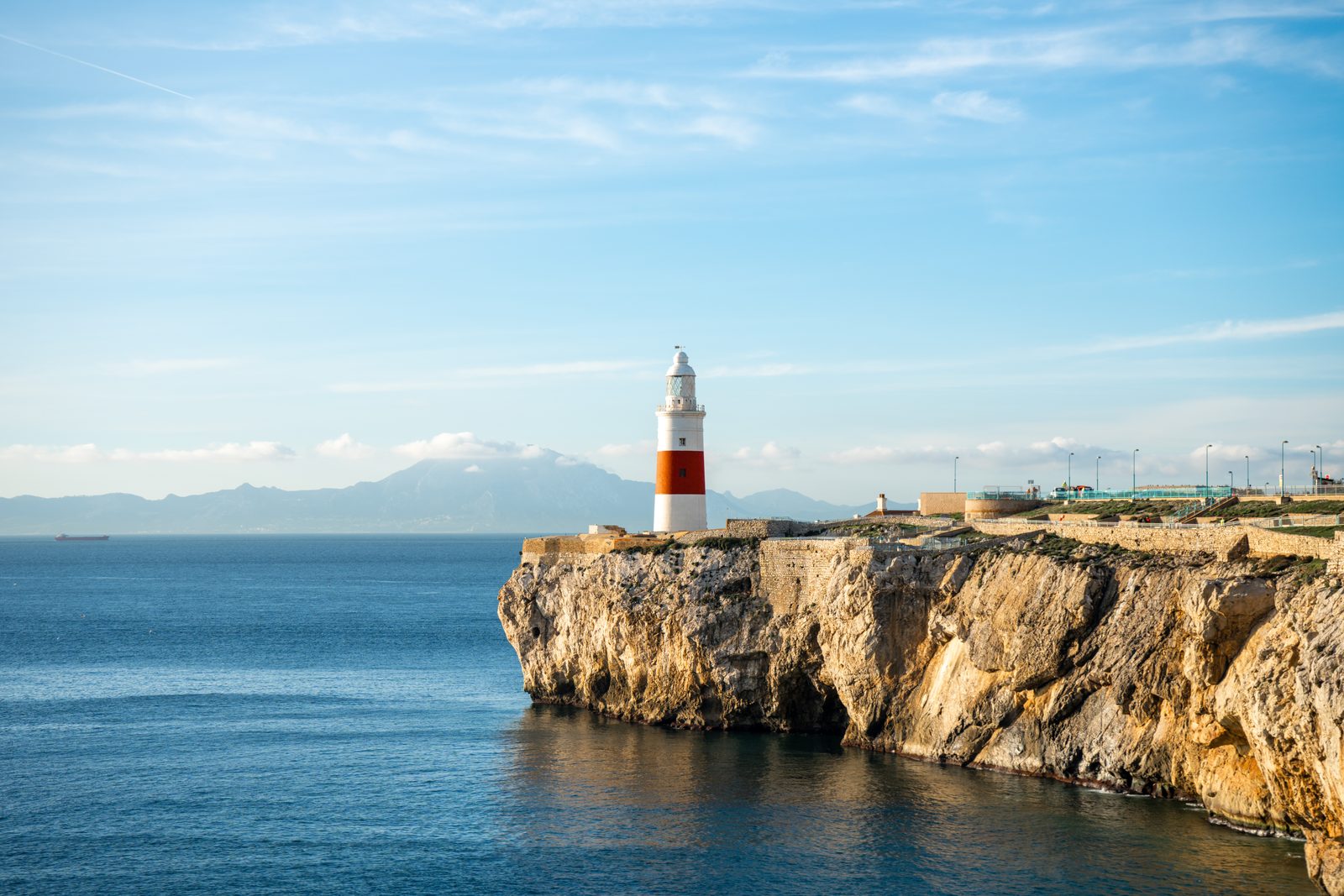
The southern tip of Gibraltar, marked by the red-and-white Trinity Lighthouse and the Ibrahim-al-Ibrahim Mosque. On a clear day you can see right across the Strait to the Rif Mountains of Morocco — Africa, close enough to feel within reach.
Main Street & Casemates Square
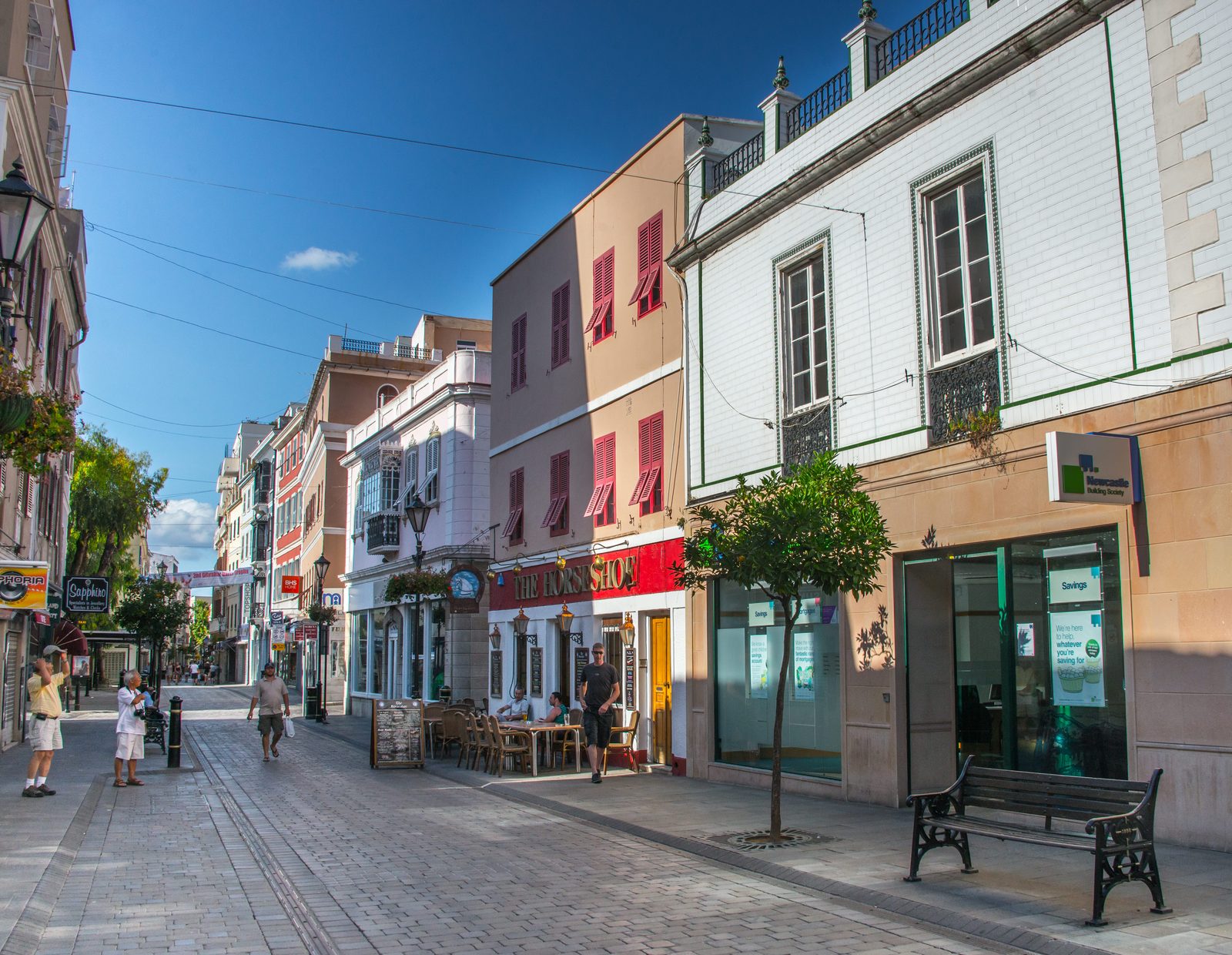
The pedestrian heart of town. Main Street is lined with VAT-free shops, cafes and old colonial facades, opening out at the north end into lively Casemates Square — the best spot for a coffee, a meal or an evening drink. Follow the side lanes into Irish Town for more restaurants and a quieter, characterful corner of the old town.
The Alameda Botanic Gardens
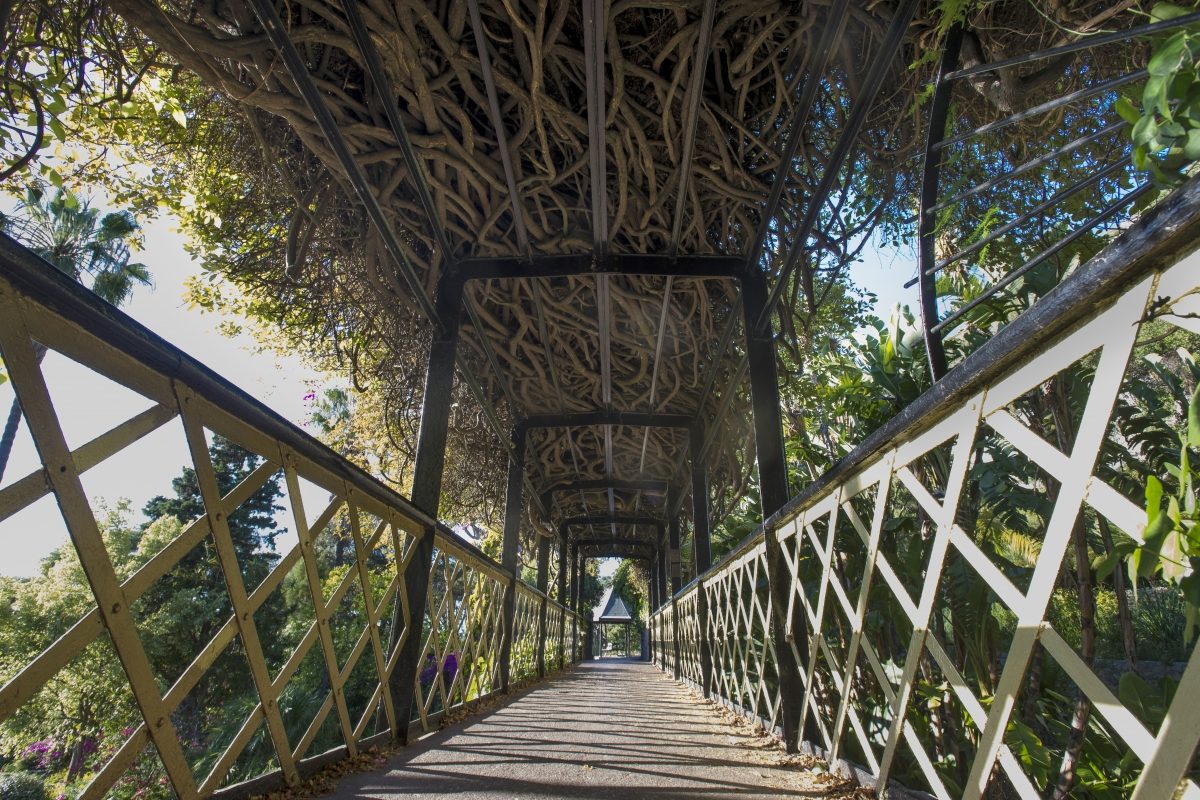
A shaded, green escape at the foot of the Rock, the Alameda Gardens are laid out along winding paths of native and exotic planting, with an open-air theatre and a small wildlife park. It’s the calmest stop in town — a good breather between the Rock and Main Street, and free to wander.
Dolphin watching in the bay
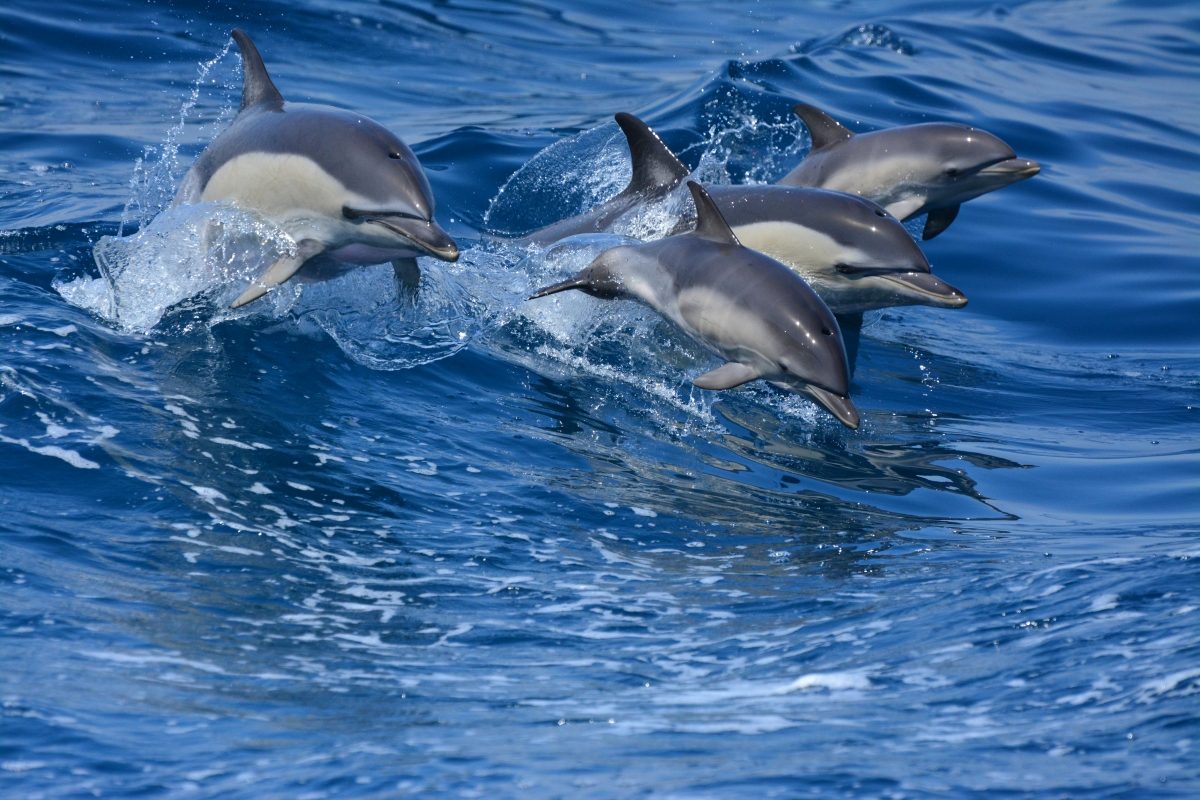
The Bay of Gibraltar is home to resident pods of dolphins, and boat trips run year-round from the marinas. Sightings are common enough that most operators are confident you’ll see them — a genuinely easy win with children, and a different angle on the Rock from the water.
Beaches & bays
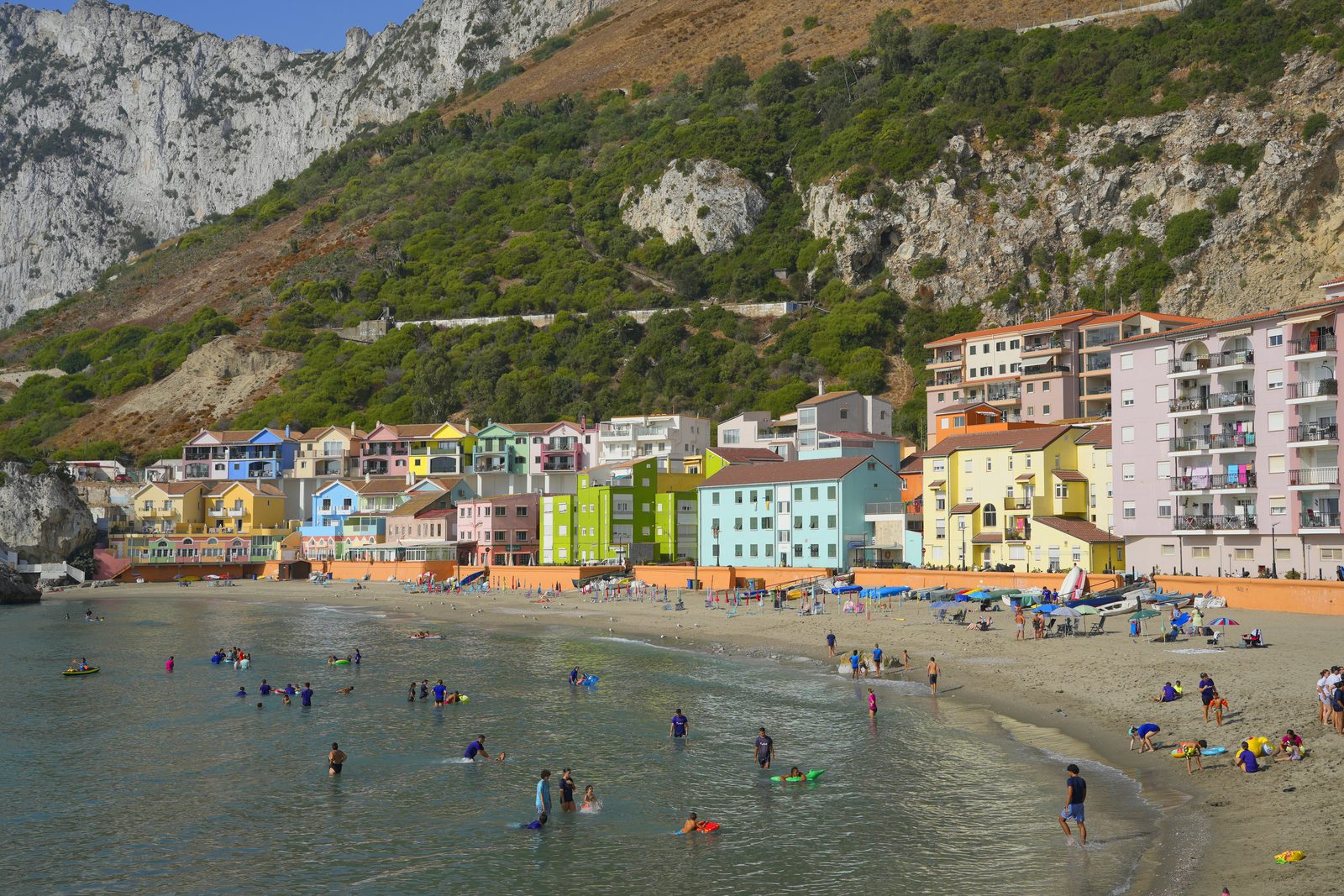
For its size, Gibraltar has a surprising choice of beaches. On the sunnier east side, Catalan Bay is a former Genoese fishing village lined with pastel houses, Eastern Beach is the longest stretch of sand, and Sandy Bay is a quieter local favourite. Western Beach sits over by the airport, while Rosia Bay to the south pairs a small beach with sea-water pools — and the lidos at Camp Bay and Little Bay add more pools and sun terraces.
History under your feet
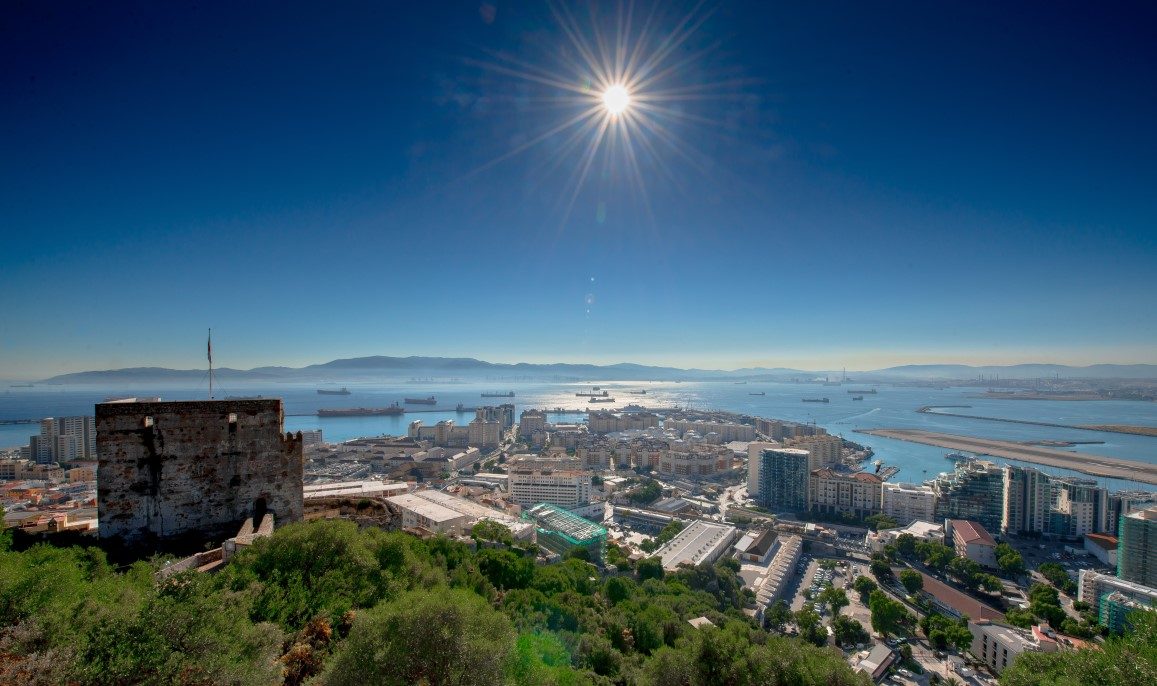
Gibraltar has been fought over for centuries and it shows. Climb to the Moorish Castle, pay your respects at Trafalgar Cemetery, walk the ramparts at the King’s Bastion, and see the 14th-century Moorish Baths inside the Gibraltar National Museum. It’s an enormous amount of history packed into a very small place.
Jewish heritage
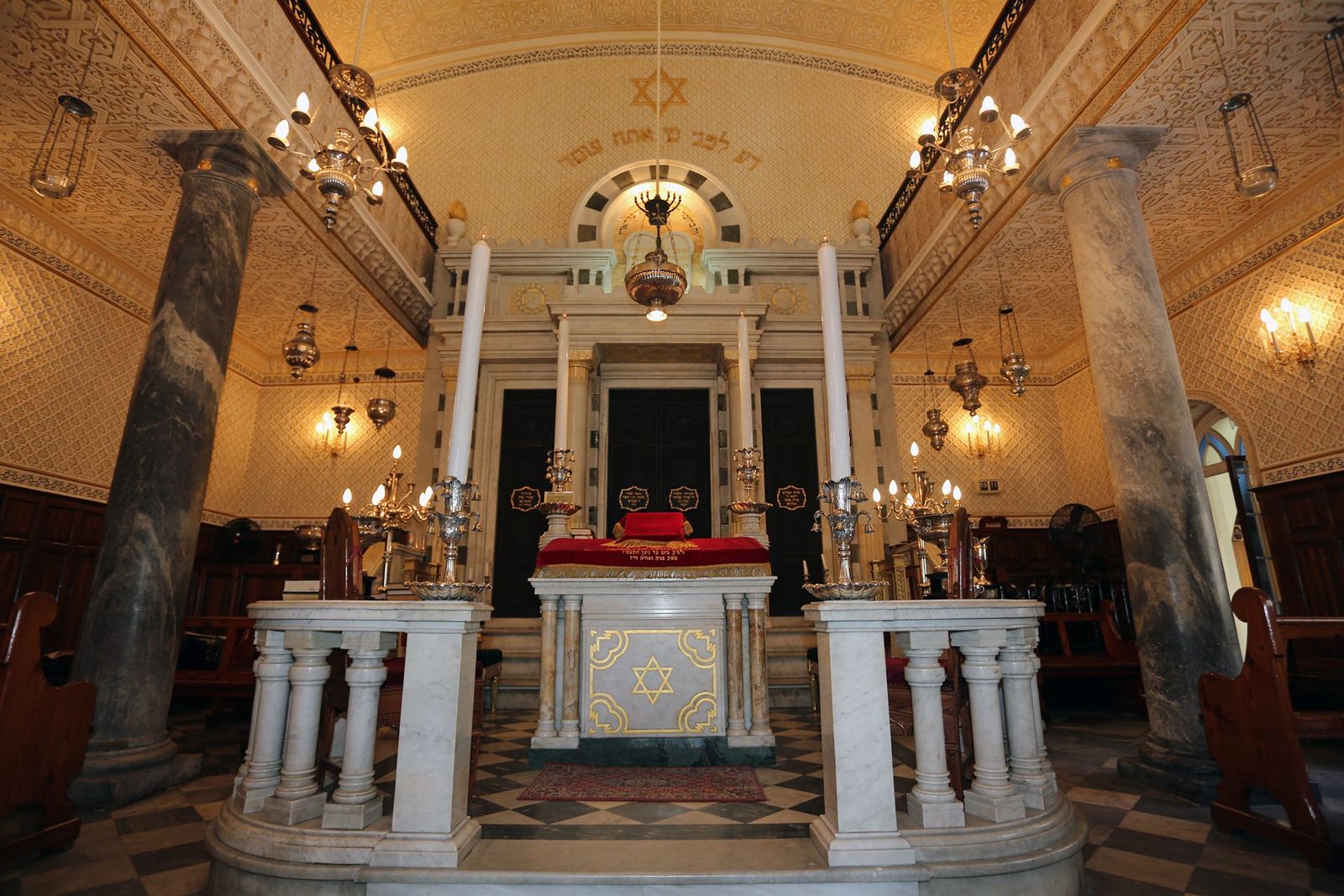
Gibraltar is home to one of the oldest Sephardic Jewish communities in the western Mediterranean, and its four historic synagogues — the earliest founded in 1724 — are among the old town’s most characterful landmarks. If you keep kosher, see our guide to kosher & Shabbat-friendly apartments in Gibraltar.
Practical tips for your trip
How many days do you need?
Two to three days is enough to see the Rock, Europa Point, Main Street and a beach at a relaxed pace.
Getting around
Gibraltar is tiny and walkable. Between your feet, the cable car and local buses you won’t need a car in town.
Money
The Gibraltar pound is worth the same as the British pound, and euros are widely accepted. Main Street shopping is VAT-free.
Crossing into Spain
The border with La Línea is a short walk away — you literally cross the airport runway on foot to reach Spain.
Best time to visit
Spring and autumn are mild and quieter. Summer is hot and busy; winter stays gentle and green.
Day trips from Gibraltar
Gibraltar makes a great base for the western Costa del Sol and beyond. Catch the fast ferry to Tangier in Morocco for the day, surf and seafood at Tarifa, the cliff-top town of Ronda and the white villages, or the glamour of Marbella — all within easy reach by car or bus.
Gibraltar travel FAQ
How many days do you need in Gibraltar?
Two to three days covers the main sights — the Rock and its apes, the cable car, Europa Point, Main Street and a beach — without rushing.
Do you need a car in Gibraltar?
No. Gibraltar is small and walkable, with a cable car and local buses, so most visitors get around easily on foot.
Can you see Africa from Gibraltar?
Yes. On a clear day you can see Morocco across the Strait of Gibraltar, best from Europa Point or the top of the Rock.
What currency is used in Gibraltar?
The Gibraltar pound, which is equal in value to the British pound. Euros are also widely accepted.
Where should you stay in Gibraltar?
Staying centrally puts the Rock, Main Street and the beaches within walking distance. Self-catering apartments in the old town are a flexible, good-value base.
More Gibraltar guides
Stay in the heart of it all
All of this is within walking distance when you stay central. Our self-catering apartments sit in the old town — book direct and pay less than on Airbnb or Booking.com.